

We all want thick and healthy hair but there’s no need to try the latest viral hacks to get those luscious locks and superstar volume.
Let’s put the old wives’ tales to rest — no, crusts won’t curl your hair — and look at real lifestyle changes you can make to strengthen and improve your hair health.
From improving your diet and protecting your scalp to choosing the right hair growth treatments, these lifestyle changes don’t promise an overnight transformation. But they may just set you on the path to sustainable healthy hair.
Read on for some easy(ish!) tips for hair growth that you can start incorporating into your daily routine today.
Use Hair Strengthening Products
There are plenty of gimmicky hair strengthening products promising miraculously thicker locks overnight. Sound too good to be true? That’s because they probably are.
We’ve all dreamed of such transformations but unless you’re looking at a wig, you can be sure these product labels are just blowing hot air (incidentally, not a good thing for your hair)
Because the good stuff takes time.
But that doesn’t mean you can be reckless with your hair care products. There are plenty of shampoos and conditioners that are doing no favours to your hair.
The important thing is to pick a shampoo that is just right for your hair type and texture — at least that’s what our own dermatologist Dr Rodney Sinclair says.
Dr Sinclair told ABC Everyday that most people choose the wrong shampoo for their hair. Instead, he recommends leaving the choice to the pros. Next time you get a haircut, ask your hairdresser for their shampoo recommendations based on your hair type.
Many hair stylists recommend looking out for hair strengthening products that contain aloe vera, peptides, or glycerin while others swear by deep hair conditioning treatments containing healthy oils like jojoba, olive, and coconut oils.
There are also medicated hair products for those with problems like itching and flaking skin. These products contain things like fungicides or anti-yeast agents to get to the root of the problem.
Discover if The Hairy Pill® is right for you.
Take our short hair health quiz and we will work out if The Hairy Pill® can help you and your hair.
Take the quizMaintain a Healthy Diet for Hair Growth
Your diet matters when it comes to hair health. Thinning or brittle hair may be a sign of a nutritional deficiency. Meanwhile, a healthy, balanced diet may strengthen your hair.
Protein is a natural building block of hair so it makes sense that food high in protein (such as poultry, beans, and fish) may help improve the health of your hair. Foods high in iron, zinc, and omega-3 fatty acids may also be beneficial.
It’s easy to reach for a bottle of hair growth supplements on the supermarket shelves but a safer approach is to eat a naturally balanced diet. If you think you may have a nutritional deficiency, visit your GP for tests before supplementing your diet.
Reduce Hair Loss from Stress
A bit of everyday stress is unlikely to pose a risk to your lustrous locks but acute stress might. Sudden, intense, or prolonged periods of stress may cause hair loss.
Of course, it’s often the unrelenting pressure of everyday stress that can snowball into something more serious (burnout, anyone?). So here are some things you can do to lower those stress levels daily:
- Exercise
- Find a hobby you love
- Experiment with journalling
- Practise meditation and breathing exercises
- Improve your sleep habits
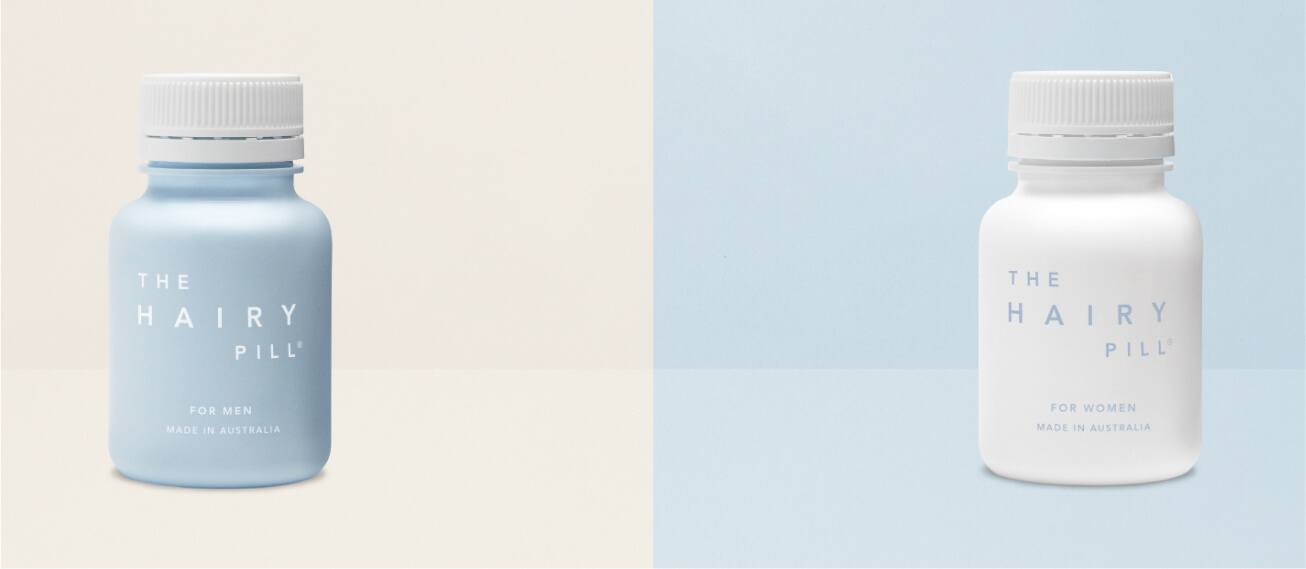
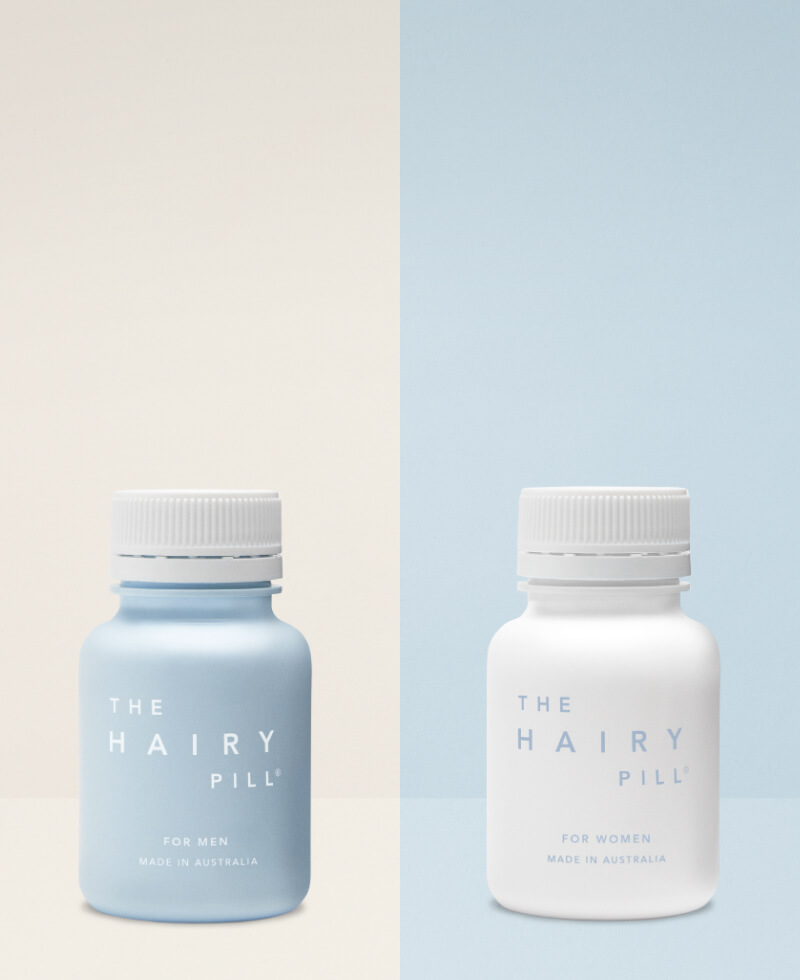
Ready to start your hair growth journey?
- Free express shipping
- Unlimited doctor consultations
- Simple once a day treatment
Try to Avoid Over-Styling Hair
Snatch ponytails and braids are OK for a special event but too many days of tight hairdos can put too much stress on your hair follicles. There’s even a specific name for this type of hairstyle-induced hair loss. It’s called traction alopecia.
Heat styling, chemical treatments, and other excessive styling habits can also lead to damaged, brittle hair. We’re not saying never do it. Just limit the frequency and duration of:
- Tight ponytails and braids
- Cornrows
- Dreadlocks
- Hair dyes
- Bleaching
- Hot hair dryers, straighteners, curling irons, and more
Protect Hair from Sun Damage
From early childhood, every Aussie is taught to slip, slop, and slap but we often overlook the importance of that last word. Slapping on a hat isn’t just about protecting your complexion. It’s also about protecting your hair.
That’s right. The sun can damage your hair too.
Getting too much UVB can lead to a loss of hair protein while UVA exposure may degrade your hair pigment. Excessive sun exposure may also break down your hair’s protective outer layer of lipids.
This sun damage may lead to discolouration, dryness, split ends, thinning, frizziness, or brittle hair. Fine or fair hair is particularly prone to damage.
Here are a few simple lifestyle changes you can make to improve your hair health:
- Avoid being out in the sun in the peak heat of the day
- Wear a tightly-woven or UPF protective hat or a scarf over your hair
- Cover yourself with an umbrella or seek shade where possible
Use Proven Hair Loss Products
No matter what you do, there are some things about your hair that may be harder to control.
Almost half of all men will have some hair loss by their 40s and nearly half of all women will experience hair loss at some point in their lifetime.
Fortunately, there are hair loss treatments that stop hair loss in its tracks, reverse it, and prevent future hair loss.
The Hairy Pill®: A Clinically-Proven Hair Growth Product
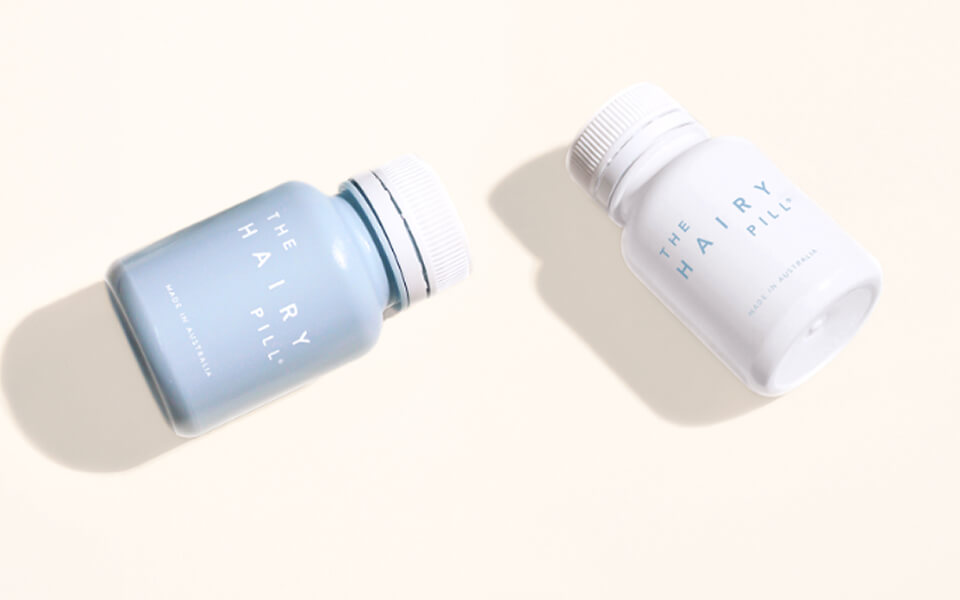
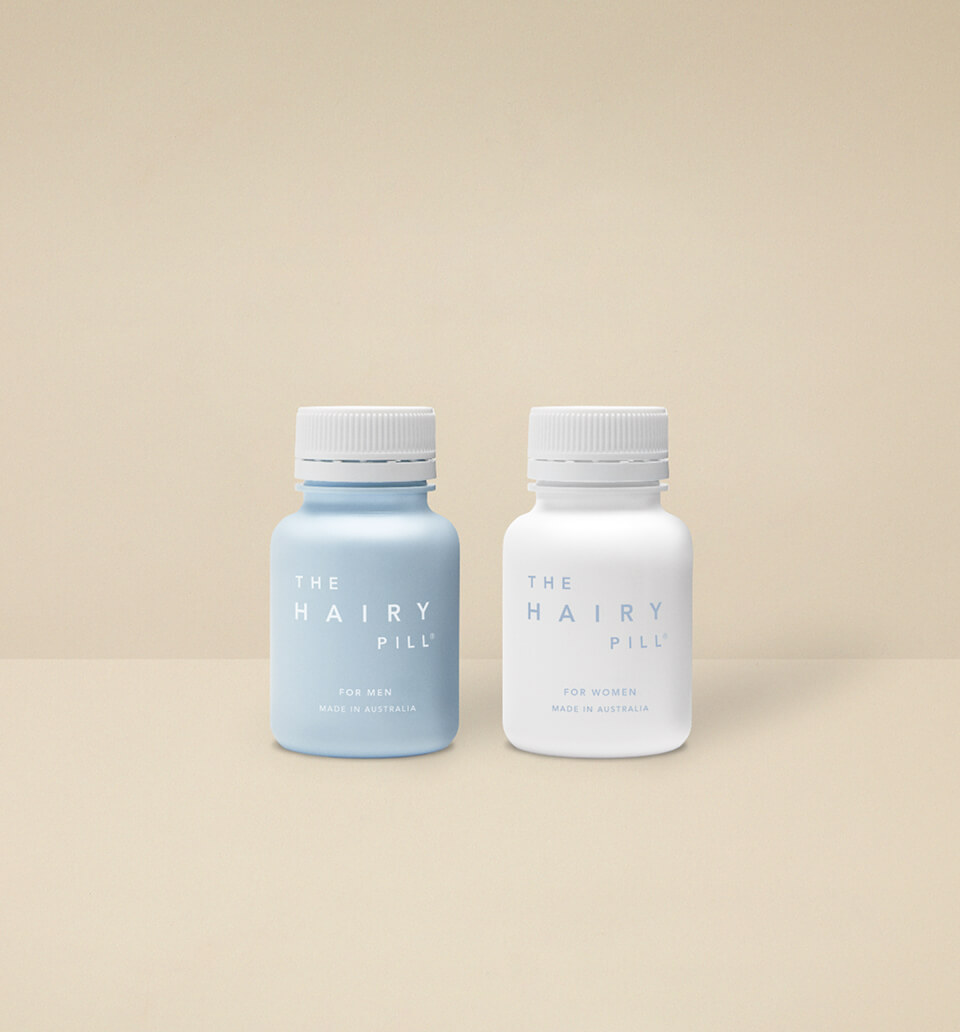
The Hairy Pill® is a personalised hair loss medication that uses underlying technology invented by Dr Rodney Sinclair.
But it’s not like anything else out there. Here’s how the hair loss treatment works.
The Hairy Pill® contains active ingredients to stop hair loss and stimulate regrowth. But it also contains a personalised combination of essential elements, amino acids, and vitamins to support and improve your hair health.
Even better, it’s just one pill taken daily.
There’s no need to run around town visiting the doctor and the pharmacy. The process is easy. Just fill out a form and have the treatments delivered to your door.
Looking to Get Treatment for Your Hair Loss?
Start taking action today to improve your hair health and strengthen your hair with simple lifestyle changes, like eating a balanced diet, managing stress, and treating your hair gently.
Of course, if you’re experiencing a distressing amount of hair shedding, it’s possible something deeper is at work. If you’re concerned about your hair loss, consider talking to a doctor. You can also learn more about men’s or women’s hair loss today.