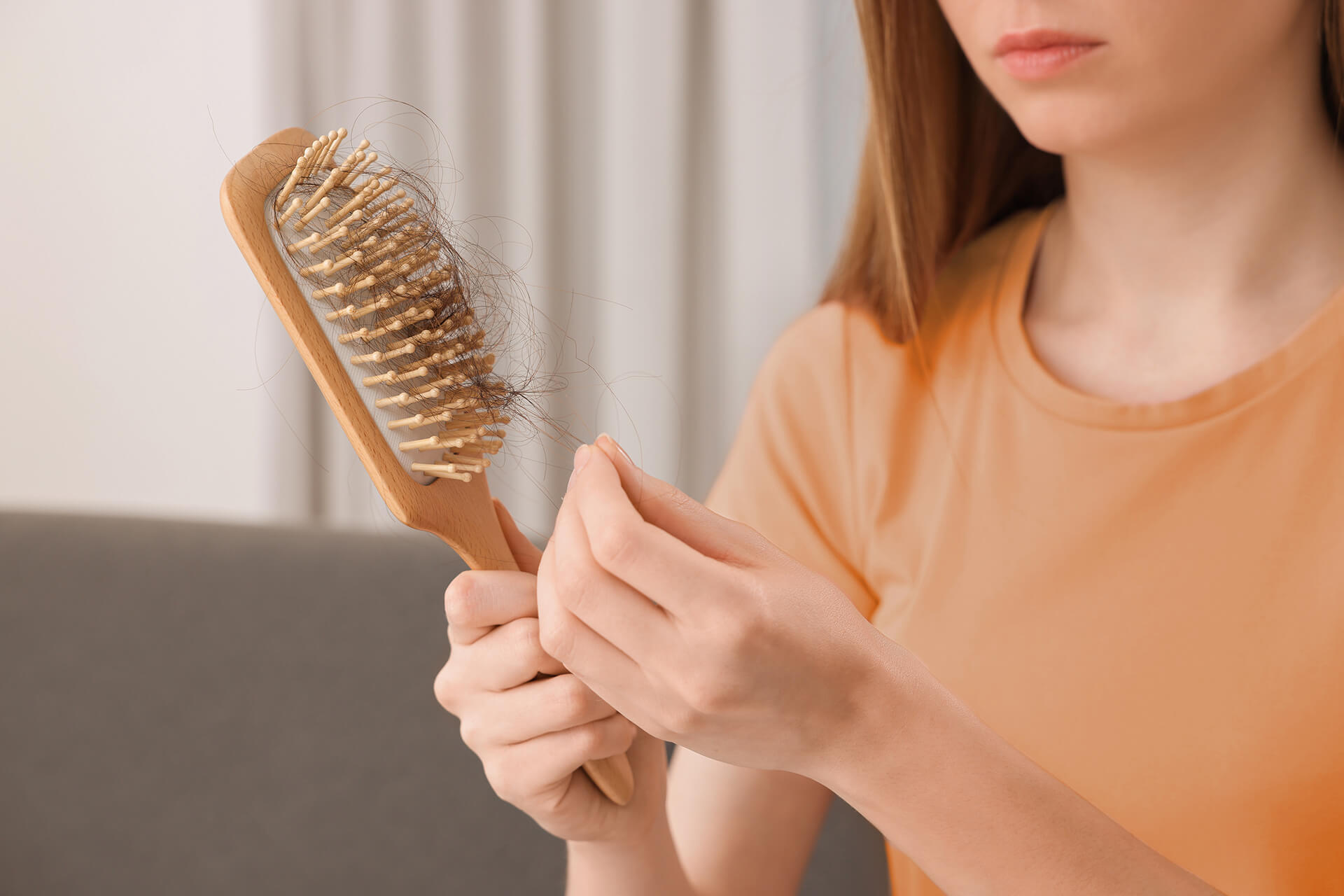


Walk into any pharmacy and you’ll find shelves stocked with bottles of hair growth supplements promising a healthy head of hair.
It’s natural to wonder if it’s really that easy. An off-the-shelf vitamin and mineral supplement you can pop once a day for a thick mop on top?
We welcome the scepticism. But whether hair supplements or medication are really best depends on what you want to use them for.
Supplements may have some benefits for hair health but they don’t contain active ingredients that are proven to stop hair loss and stimulate regrowth in inactive hair follicles.
So let’s take a look at the science behind hair growth supplements and see if they’re really all they’re cracked up to be.
While we’re here, we’ll look at how generic hair supplements measure up against The Hairy Pill® — researched, tested, refined, and patented but still just one pill, taken daily.
What Are Hair Growth Supplements?
Hair growth supplements are usually made up of a combination of vitamins and minerals believed to play a role in non-scarring alopecia or hair loss.
While these supplements for hair growth don’t usually contain active ingredients, they contain vitamins and minerals to address potential vitamin deficiencies that may contribute to hair loss or brittle hair.
You can usually find these supplements in any pharmacy and even down the health aisles of your local supermarket.
But if you just want to improve your hair health, you can also get The Hairy Pill® as a supplement — personalised and far more potent than anything you could snatch off a pharmacy shelf.
Discover if The Hairy Pill® is right for you.
Take our short hair health quiz and we will work out if The Hairy Pill® can help you and your hair.
Take the quizCommon Hair Growth Supplements
The list of off-the-shelf hair growth supplements is about as long as Rapunzel’s braid and, like her tresses, it keeps growing. But most are made up of the same combination of vitamin and minerals in roughly the same doses.
Let’s break down the most common supplement ingredients and see how they really shape up in the medical research and trials.
B Vitamins
Of the 8 specific vitamins included in the B vitamin complex, only riboflavin, biotin, folate, and vitamin B12 deficiencies may be linked to hair loss. Since each of these has different effects in the trials, we’ll look at them individually.
Riboflavin supplements
While links have been made between riboflavin (also known as B2) deficiency and hair loss, there’s still not enough data to recommend riboflavin supplements for hair growth.
Biotin supplements
Biotin (also known as vitamin B7) is one of the most popular supplements for hair, skin, and nails. It’s vital to the production of keratin, the protein that makes up most of your hair.
While biotin may help with hair growth, the best results occur if you’re treating a biotin deficiency.
If you want to try biotin supplements for your hair, it’s important you do so in consultation with a doctor who can track your progress and prescribe the right dose for you.
Folate and B12 supplements
Folate and vitamin B12 both help make DNA, which is important for building the new cells needed for hair growth.
B12 also helps produce the red blood cells that carry essential oxygen around your body, including to your hair follicles.
Several studies suggest that levels of B12 or folate in the body may modify the progression of alopecia areata (an autoimmune hair loss condition).
Despite the role these vitamins play in hair growth, there’s still a lack of data when it comes to their use as hair growth supplements but they may be effective in maintaining hair health — especially if you have a B12 or folate deficiency.
Vitamin C
Vitamin C, also called ascorbic acid, is a powerful antioxidant that protects the hair from oxidative stress, which has been linked to hair loss.
It also helps synthesise collagen (which contains amino acids that build keratin — important for hair structure).
While there are no direct links between vitamin C deficiency and hair loss, it’s worth noting that vitamin C helps the body absorb iron — and the relationship between iron deficiency and hair loss is well known (see below).
This means if your hair loss is associated with iron deficiency, your vitamin C levels will be equally important — and supplements may help with iron absorption.
Vitamin D
There appears to be almost universal consensus that vitamin D is can do great things to our hair by stimulating cell growth in our hair follicles.
There’s plenty of evidence to suggest that not having enough vitamin D can contribute to different types of hair loss, including female pattern hair loss and telogen effluvium, as well as the autoimmune condition alopecia areata.
Using low-dose supplements of vitamin D may help improve the symptoms of androgenetic alopecia and telogen effluvium.
Vitamin D has also been found to have an anti-inflammatory and immunoregulatory effect on the body, which means vitamin D supplements may help with alopecia areata treatment if you also have a vitamin D deficiency.
Iron
Iron deficiency is the most common deficiency in the world and is particularly high in females.
Studies have produced mixed results when it comes to the links between iron deficiency and hair loss, although some links have been found between low iron levels and telogen effluvium (hair loss caused by stress) in women.
If you have androgenic alopecia or telogen effluvium and have also reported low iron levels, iron supplements are generally recommended.
If you have an iron deficiency or are taking supplements, you may also need vitamin C supplements to help with iron absorption. Always speak with your doctor if you’re unsure about starting new supplements.
Zinc
There’s plenty zinc does for our hair. It nurtures the cells within our hair follicles, regulates hormones essential for hair health, and helps with the division and proliferation of hair cells.
Some studies have even proven a correlation between low levels of zinc and hair loss. So what does that mean for zinc supplements?
While there’s still not enough studies on zinc and hair growth out there, documented cases have shown that zinc supplements may improve hair growth.
Ready to start your hair growth journey?
- Free express shipping
- Unlimited doctor consultations
- Simple once a day treatment
Hair Loss Medication for Men & Women
The main difference between hair growth supplements and hair loss medication is that medication typically contains active ingredients proven to treat hair loss. Common active ingredients in hair loss medication include finasteride and minoxidil.
Active ingredients are medical-grade, pharmaceutical ingredients that have been proven to make the medication do what it claims to do. One way to think of it is that active ingredients are chemical compounds while vitamins and minerals are organic compounds.
The Benefits of a Personalised Hair Loss Treatment Plan
Most hair supplements from your local pharmacy or supermarket contain simple, low-dose formulas of just a few vitamins and minerals. But without personalisation, they can only do so much.
Then there’s The Hairy Pill®. No junk science here. Just powerful hair treatments made specifically for you.
Depending on what you want to treat, The Hairy Pill® can be a simple but powerful supplement for hair health, or it can be a clinically proven treatment for hair loss.
As a supplement, The Hairy Pill® is made and adjusted to your needs, using a unique mix of vitamins and minerals clinically proven to assist with general hair health — in higher concentrations than anything you’ll find in a pharmacy aisle. You’ve essentially got your hands on the equivalent of 3 bottles of vitamins in one.
But with a few simple ingredient adjustments, the same bottle can also be personalised to you to treat hair loss.
Along with a blend of vitamins, essential elements, and amino acids designed specifically for your health, The Hairy Pill® contains medical grade actives (depending on the patient) clinically proven to treat hair loss at its roots.
One of those ingredients puts a handbrake on your hair loss, preventing your hair from falling out. The other can both stop hair loss and stimulate your hairs to regrow.
The benefit of The Hairy Pill® treatment is that it’s backed by science and over 30 years of research. Learn more about how it works here.
Tailored to Your Hair Loss Needs
The bottle of The Hairy Pill® that is delivered directly to your door contains pills that have been made (compounded) by a local Australian pharmacist just for you, according to your hairy needs and sensitivities.
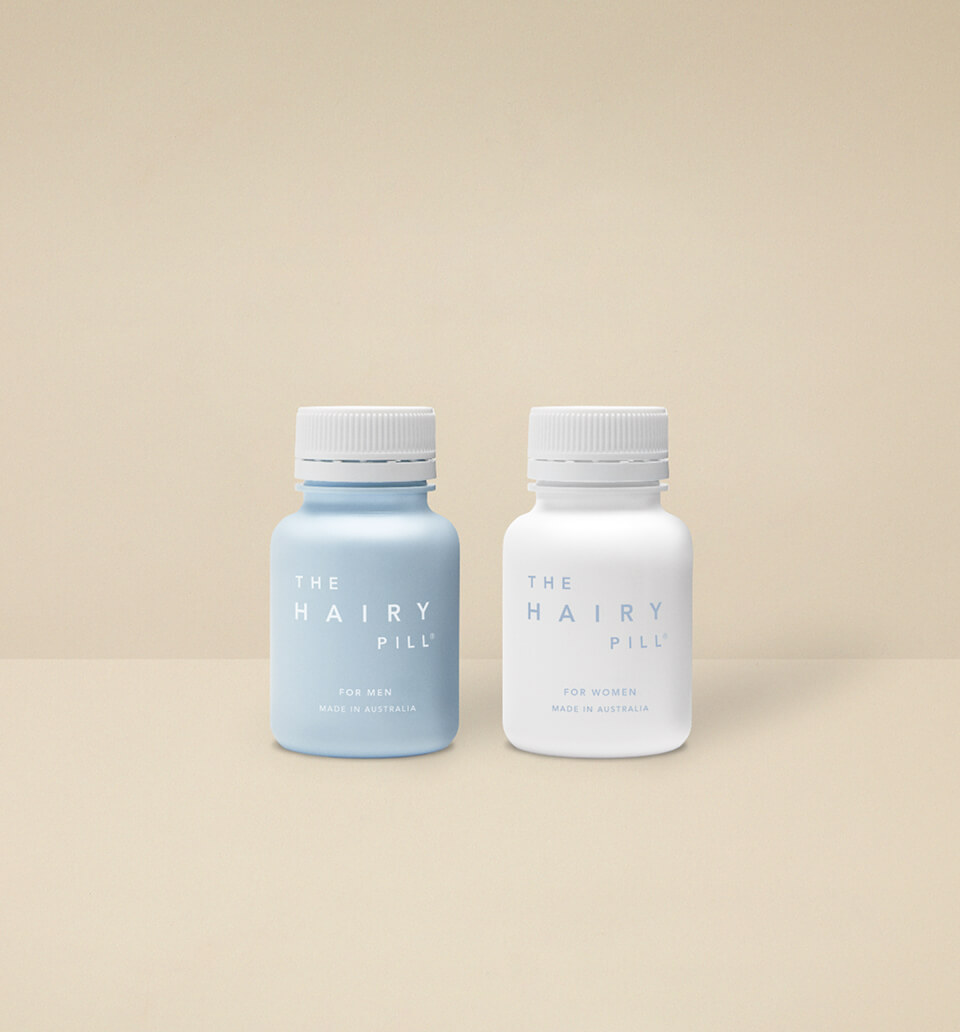
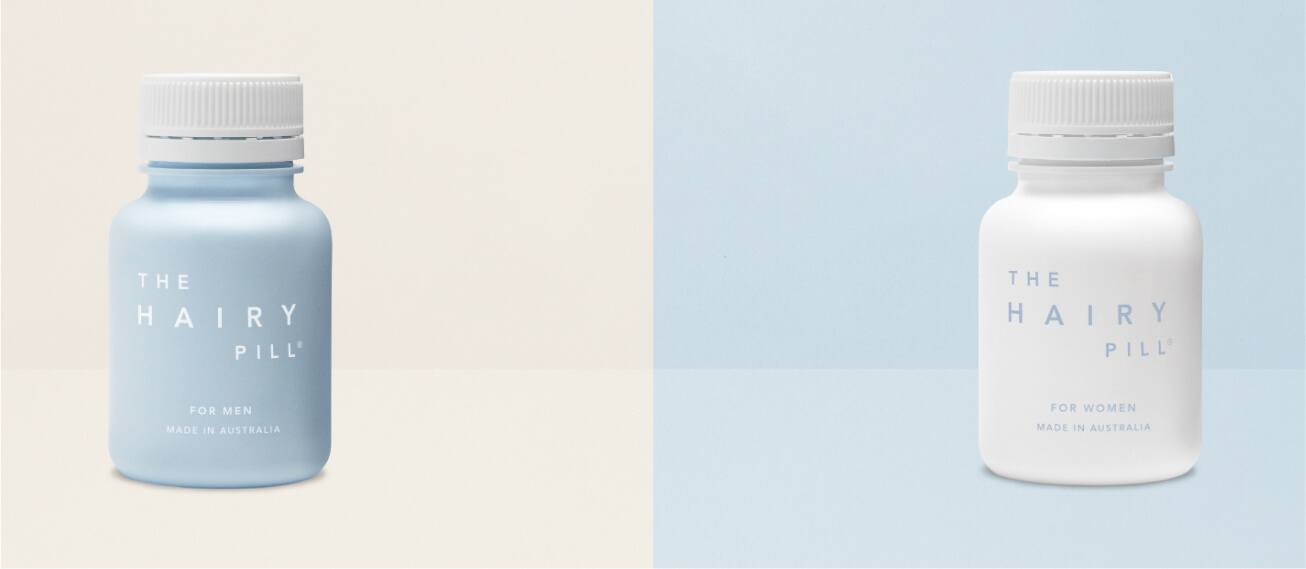
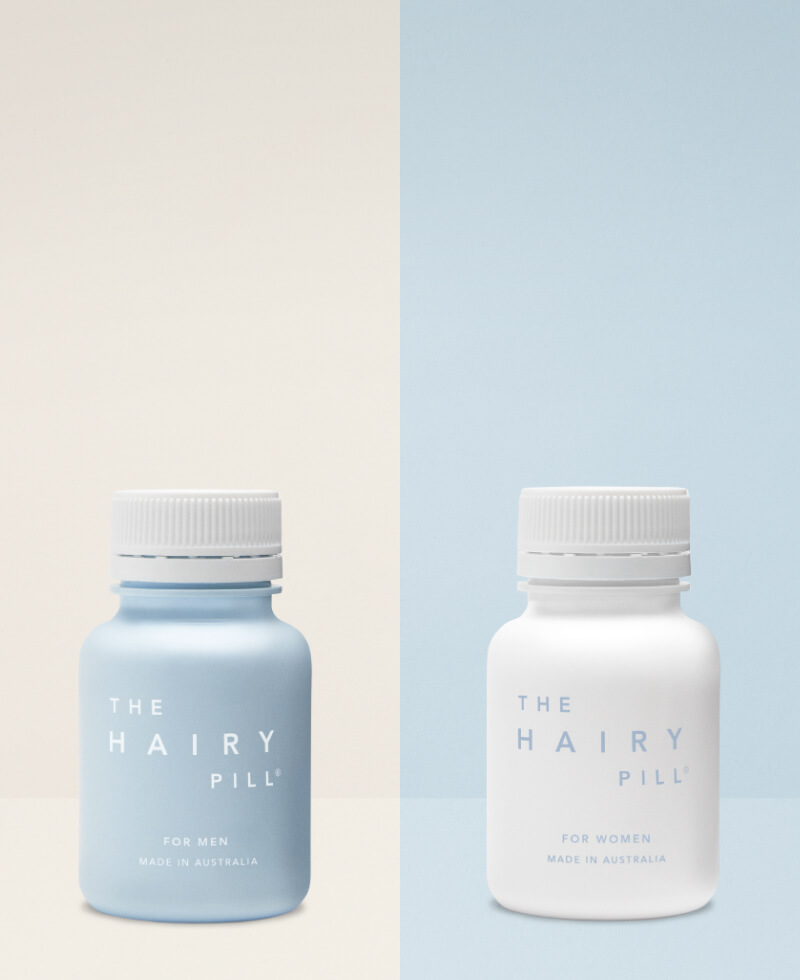
The Hairy Pill® treatment has specific formulations for men and for women, with doses and ingredients that the pharmacist can adjust based on your progress and the doctor’s recommendations.
Patented Technology with Expert Doctor Support
The Hairy Pill® uses underlying technology invented by world-renowned dermatologist and hair loss expert Professor Rodney Sinclair.
This technology has been researched, tested, refined and patented. It’s now treated well over 41,000 patients in Australia, both in-person through Professor Sinclair’s Melbourne clinic and online through The Hairy Pill®.
We have partnered with practitioners who have trained under Professor Sinclair and are able to give you the answers you need in your hairy journey.
Regular Consultations
To make sure you’re getting the right treatment for your hair, The Hairy Pill® provides regular check-ins with Australian doctors and practitioners at no extra charge.
These telehealth consultations are an opportunity to have any questions answered and to change your dose over time to fit your response to the treatment and results.
Get Treatment for Hair Loss Today
It might be tempting to throw some hair growth supplements into your trolley on your next visit to Woolies in the hopes that they might work.
But why not try The Hairy Pill® instead?
The underlying technology has been clinically proven and is even easier to access. You can leave your car keys on the hook — all you need is five minutes to fill out one online form. Get started now.