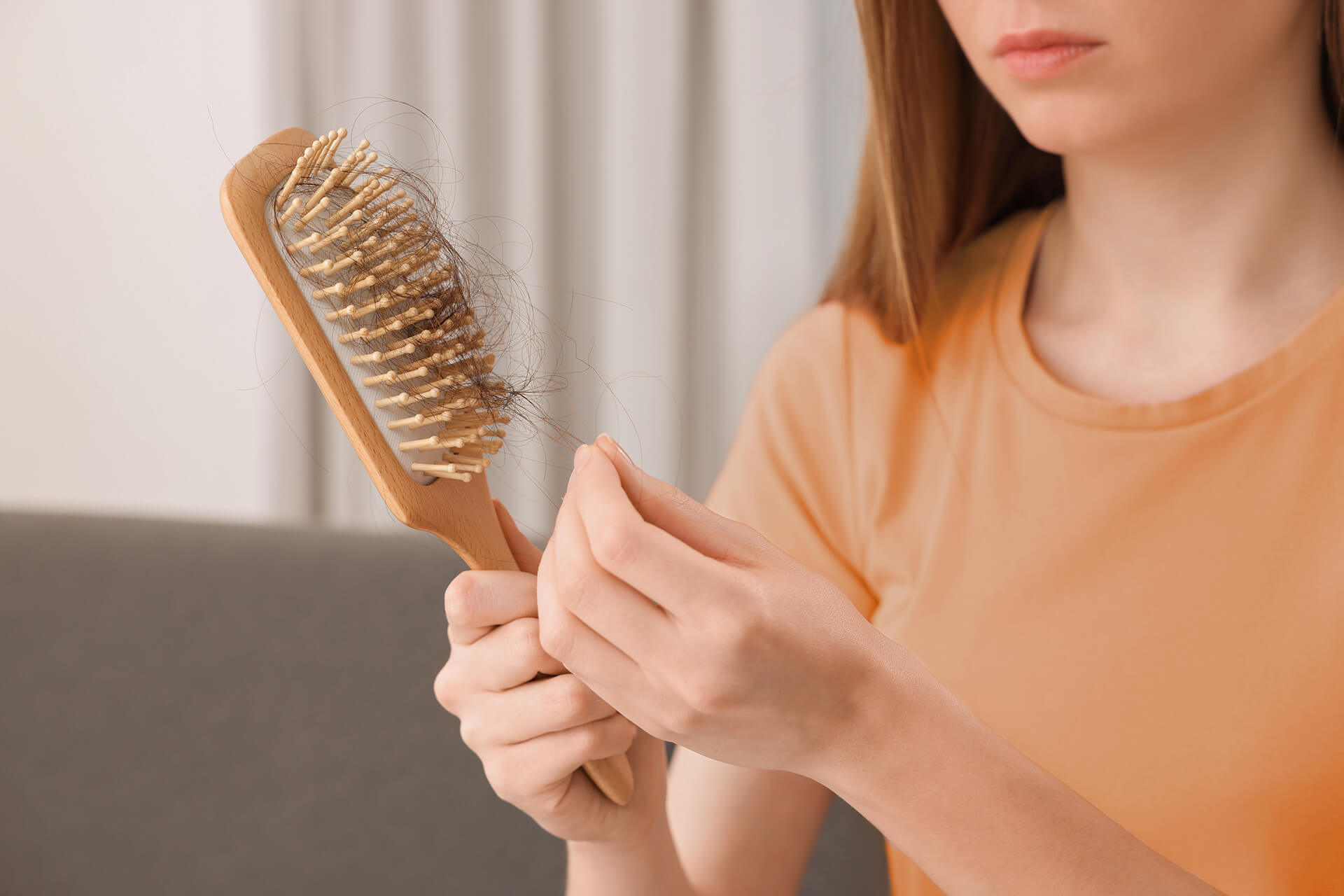

Let’s talk about weak hair. We know it’s about as fun as watching your hair dry, but knowing what’s behind the frizz, breakage and shedding is the first step to doing something about it. Below we cover the causes of weak hair, three quick ways to test your hair’s strength, and eight ways to strengthen it, from scalp massage (yes, really) to a doctor-led hair loss treatment. Ready to let your hair down?
So what is weak hair?
Healthy hair is smooth, holds moisture and has a bit of bounce. Weak hair is the opposite: limp, dull, thin, or quick to break and shed. It isn’t a medical diagnosis, more a catch-all for hair that isn’t coping. If that sounds like yours, stop beating yourself up. It’s often down to genetics or hormones, and that doesn’t leave you helpless.
Causes of weak hair
Strong hair relies on a balance of protein and moisture, and plenty of things can knock it off. Here’s the shortlist of what can cause weak hair.
Genetics
Your genes influence your hair’s density, length, colour and texture. They’re also behind conditions like male and female pattern hair loss, which you can read about in our thinning hair guide. Having the genes isn’t the whole story, though. Everything below can still change how strong your hair is.
Hormonal changes
Hormones affect how well your hair does its job. Menopause, childbirth, starting or stopping hormonal birth control and thyroid problems can all disrupt the hair cycle, leading to thinning or extra shedding. The shedding often shows up a few months after the change, which is why people miss the link. Read our guide to hormonal hair loss.
Styling and chemical treatments
Tight styles, extensions, dyeing, bleaching and heat styling can damage your hair by wearing down the cuticle, its protective outer layer. The American Academy of Dermatology notes that damaged hair is fragile and tends to break, which is how you end up with frizz and hair breakage. Chemical treatments and daily hot tools are the usual offenders.
Nutritional gaps
Hair is made of protein, so too little protein in your diet can leave strands weaker. Low iron, zinc and vitamin D are also linked to hair problems. The only way to know if you’re low is a blood test, so skip the guesswork and the supplement aisle.
Medications
Some medications can weaken the hair roots or disrupt the hair cycle, including thyroid medication, blood thinners, antidepressants, blood pressure medication and chemotherapy. If you suspect yours, don’t stop taking it. Talk to the doctor who prescribed it.
Environmental factors
Sun, chlorine, salt water and pollution can all dry hair out and leave it brittle. If you swim, the AAD suggests rinsing straight after, then washing with shampoo and conditioner. A swim cap or a hat helps too. Think of your hair like your skin: a bit of protection goes a long way.
Underlying health conditions
Certain illnesses can affect the health of your hair and scalp, including thyroid conditions, iron deficiency, autoimmune conditions like alopecia areata and some scalp infections. If your hair has changed noticeably, or you’re also dealing with fatigue or weight changes, get it checked. Sorting out the underlying issue matters more than any shampoo you buy.
Signs you may need hair treatment
Feel like you’re having more bad hair days than good? Weak hair shows up in a few different ways. This table breaks down what to look for and what each sign can point to. For more on shedding, see our guide to what thinning hair looks like.
| Sign | What you might notice | What it can point to |
|---|---|---|
| Frizzy hair | Rough, puffy hair that won’t sit flat | A roughed-up cuticle, humidity, heat styling |
| Split ends | Ends that fork into two or more strands | Heat, chemical treatments, overdue trims |
| Dry hair | A coarse, dull, straw-like feel | Over-washing, sun, chlorine, harsh products |
| Limp strands | Hair that falls flat with no bounce | Product build-up, fine hair, hair that has lost its structure |
| Thin, lacklustre hair | Less volume, a wider part, little shine | Genetics, hormones, nutritional gaps |
| Brittle hair | Strands that snap when brushed or styled | Over-processing, heat, dryness |
| Increased breakage | Short broken pieces on your brush or clothes | Rough handling, chemical treatments, tight styles |
| Shedding from the roots | Whole hairs coming out, often with a small white bulb at the end | Hormones, stress, nutrition, medications |
| Tangles | Knots that form easily, especially when wet | Dryness, a damaged cuticle |
Not sure where your hair sits? The tests below take the guesswork out.
How to test your hair’s strength
You don’t need a lab to get a rough read on your hair. These three checks take a few minutes and a glass of water at most.
The wet stretch test
Wet hair is at its weakest, which makes this a fair stress test. Take a strand that has already shed, wet it and gently stretch it. Healthy hair stretches a little and springs back. If it snaps quickly, or feels gummy and doesn’t bounce back, it’s likely weakened.
The root check
Not all shedding is breakage, and this check tells them apart. Look at a hair that has fallen out. A small white bulb at one end means it came out from the root, which is common in everyday shedding. A hair with no bulb and a snapped end has broken along the shaft, which points more to damage.
The porosity test
Porosity is how easily your hair absorbs moisture. Drop a clean strand into a glass of water. If it sinks quickly, your hair is likely highly porous, which often goes hand in hand with damage. If it floats for ages, porosity is probably low. Treat this one as a rough guide only. Product build-up can skew the result.
How to strengthen weak hair: 8 ways to try
Strengthening weak hair is mostly about removing what’s damaging it and giving it what it needs. These hair strengthening tips and weak hair solutions start at home and finish with a doctor-led option, so you can work out how to fix weak hair without wasting money. Most slot into your daily hair care routine, so there’s no need to overhaul your whole care routine overnight.
| Method | What it involves |
|---|---|
| Iron, zinc and vitamin D | Getting enough of each through your diet |
| More protein | Including protein at most meals |
| Scalp massage | A few minutes of gentle fingertip pressure |
| Repairing conditioner and oils for hair | A conditioning mask or a pre-wash oil |
| Gentle styling | Less heat, looser styles, kinder towel drying |
| Cool water rinse | Finishing your wash with cooler water |
| Regular trims | Cutting off split ends every few months |
| Doctor-led treatment | An online assessment, with a partner doctor deciding if treatment suits you |
1. Get enough iron, zinc and vitamin D
Hair relies on a steady supply of nutrients. Good sources of iron include red meat, fish, eggs, lentils and leafy greens. Zinc is in oysters, pumpkin seeds, nuts and cheese, and vitamin D in fatty fish, egg yolks and mushrooms. Don’t rush to buy supplements. Get a blood test first, because more isn’t better if you’re not actually low.
2. Add more protein to your meals
Hair is made of keratin, a protein, so protein in your diet matters. Aim to include a source at most meals: eggs, fish, chicken, yoghurt, milk, lentils, beans, soy, nuts or seeds. Most people eating a varied diet get enough, but it’s worth a closer look if you’re vegetarian, vegan or cutting calories hard.
3. Try a daily scalp massage
Scalp massage is cheap, relaxing and easy to fit into your shower. In a small study published in January 2016, nine men used a massage device for four minutes a day, and after 24 weeks their hair was slightly thicker. The study was tiny, partly company-funded and the men weren’t experiencing hair loss, so treat it as a maybe. Gentle fingertip pressure is plenty.
4. Use a repairing conditioner or a pre-wash oil
To strengthen damaged hair, use conditioner after every shampoo, and consider a repairing conditioner, a mask or salon hair repair treatments to help restore damaged hair’s smoothness. Among the best oils for weak hair, coconut oil has the most going for it: a 2003 lab study on hair strands, run by a coconut oil maker, found it reduced protein loss while mineral and sunflower oil didn’t. Patch test any new product first.
5. Be gentle with styling
Heat and tight styles are the quickest way to damage your hair. Let it air dry when you can, use heat protection on the lowest heat setting, and give tight ponytails and braids a rest. Dermatologists also advise wrapping hair in a towel instead of rubbing it, and handling wet hair gently, because it breaks more easily. It’s the easiest hair damage prevention win going.
6. Rinse with cool water
Hot showers can leave dry hair feeling even rougher. A cooler final rinse is free and harmless, and plenty of stylists swear it leaves hair smoother and shinier. The evidence is thin, so think of it as a nice extra rather than a fix.
7. Get regular trims
Trims won’t thicken your hair, but they do remove split ends before they work their way up the strand and cause more breakage. Every few months suits most people, and your hairdresser can tell you what your ends need.
8. Consider a doctor-led treatment
If shedding or thinning sits behind your weak hair, habits alone may not be enough. A doctor can assess whether a prescription hair loss treatment suits you, and we explain how ours works at the end of this article. First, here’s when to get professional advice.
Discover if The Hairy Pill® is right for you.
Take our short hair health quiz and we will work out if The Hairy Pill® can help you and your hair.
Take the quizWhen to see a professional
Home care only goes so far. It’s time to book in if you notice any of these:
- Hair coming out in clumps or sudden, heavy shedding
- Smooth or bald patches on your scalp
- An itchy, red, painful or scaly scalp
- A widening part or a changing hairline
- Shedding alongside fatigue, weight changes or irregular periods
- Changes after starting a new medication
- Weak hair that hasn’t improved after a few months of gentle care
What professionals can do
- Diagnose the cause: A GP or dermatologist can check for things like low iron, thyroid problems and scalp conditions, often with a simple blood test.
- Provide targeted treatments: Once the caufse is clear, care can be matched to it, whether that’s correcting a deficiency or managing a scalp condition.
- Offer specialised medical treatment: For conditions such as pattern hair loss, a doctor can talk you through prescription treatment and whether it suits you.
Ready to start your hair growth journey?
- Free express shipping
- Unlimited doctor consultations
- Simple once a day treatment
Treatment for weak hair, dermatologist developed
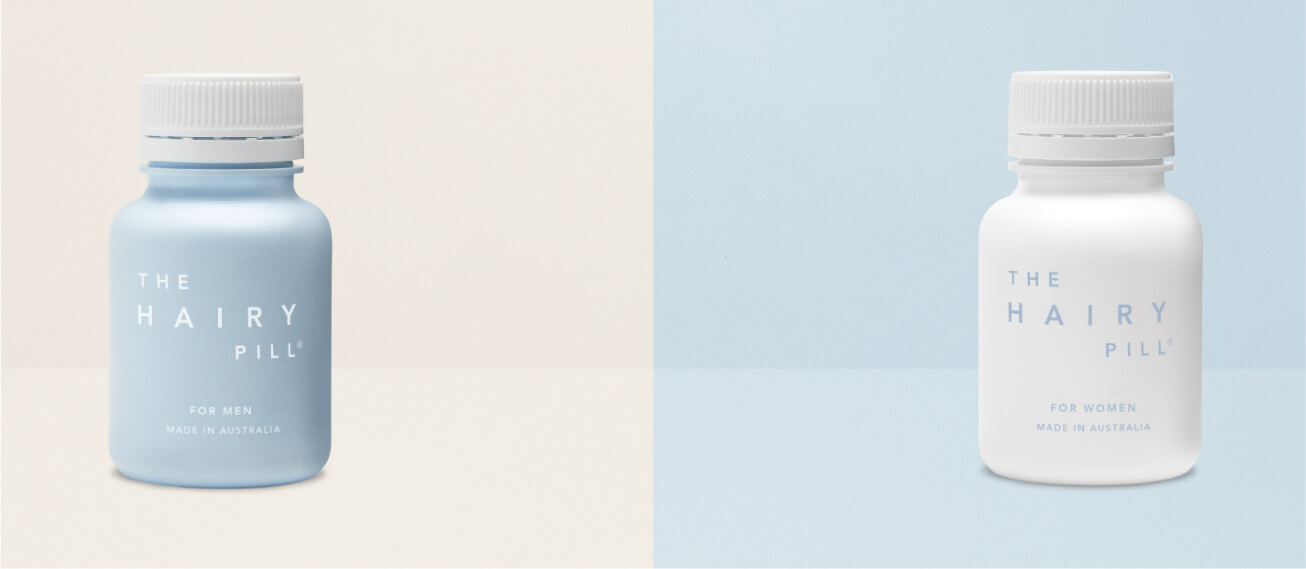
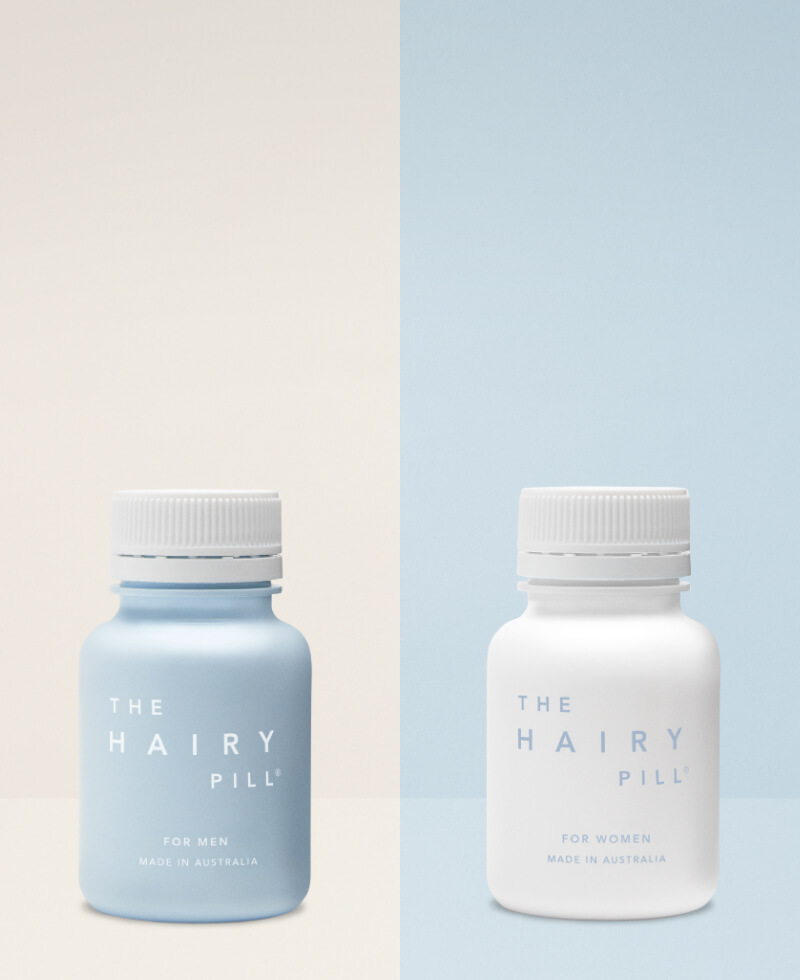
If hair loss or thinning is behind your weak hair, The Hairy Pill® is dermatologist developed and offers a doctor-led assessment, with treatment dispatched by a pharmacy. It’s a personalised treatment for thinning hair and hair loss, for men and women.
You fill out an online medical form, and a partner doctor reviews your health history to decide whether treatment suits you. If it does, a pharmacy dispatches it to your door. Generally, you may start to see results within 3 to 6 months; individual results may vary. It only takes about five minutes to get started.
FAQs
Can weak hair become strong again?
Sometimes. Damaged strands can’t repair themselves, but gentler habits help new hair come through in better condition. If hair loss is behind it, treatment options exist, but results vary from person to person.
Which nutrient deficiency is linked to weak hair?
Low iron, zinc and vitamin D are most often linked to hair problems. A blood test can confirm it, so check before buying supplements.
Does washing your hair every day weaken it?
Not necessarily. Harsh shampoo and over-washing can dry hair out, but the right routine depends on your hair type and scalp health. Dermatologists suggest shampooing your scalp rather than the lengths, then conditioning.
Is my hair weak or just damaged?
They overlap. Snapped strands with no root bulb usually point to damage, while whole hairs falling out from the root point to shedding, which has different causes. Try the root check above.