
Women experience all sorts of symptoms and bodily changes through menopause. Alongside hot flashes and sleep problems, other symptoms include brittle hair, hair thinning, and menopause hair loss.
It’s enough to make your hair curl — figuratively, of course.
Naturally, every woman will experience perimenopause and menopause differently. For those who do notice hairy changes, some may only have a lacklustre mane while others may experience the onset of female pattern hair loss (menopause balding, thankfully, is rare!).
Not to mention it’s tricky to attribute your hair fall entirely to menopause, since other factors may be at play.
Let’s take a look at what causes female hair loss in menopause, which symptoms to look out for, hair loss treatments for women going through menopause, and how to prevent perimenopause hair loss in the first place.
Common Symptoms of Menopause Hair Loss
Female hair loss in menopause can happen so gradually that it isn’t always immediately obvious. We already lose between 50 and 100 hairs a day so it may be difficult to detect the first signs of perimenopause hair loss.
You might simply find more hair than usual on your hairbrush or clogging the shower drain. Or you might notice that your hair has become more prone to breakage.
Once this has gone on for a while, your hair might become noticeably thinner. A typical pattern emerges:
- The part on your crown may begin to widen
- Your hair may look noticeably thinner, particularly on the back of the head, near the crown, or by the nape of your neck
- Your hair may be lacklustre or look flatter than usual
In good news, menopause balding is rare. Your hair may thin all over but balding in women is uncommon and it’s unlikely you will lose your hair completely.
Body Hair Loss After Menopause
Signs of menopause hair loss can also appear elsewhere on the body. Look out for:
- Hair growth slowing or stopping on your legs, arms, and armpits
- Thinning or balding pubic hair
- Thinning eyelashes and eyebrows
To learn more, read our guide to what thinning hair looks like.
Discover if The Hairy Pill® is right for you.
Take our short hair health quiz and we will work out if The Hairy Pill® can help you and your hair.
Take the quizThe Link Between Menopause and Thinning Hair
Usually, menopause hair loss is caused by a combination of hormones and other factors. These could include:
- Extreme levels of stress
- Serious illness
- Nutrient deficiencies
- A reduction in sebum (oil) secretion
- Thyroid dysfunction
- Medications
- Genetic influences
But the most likely cause of female hair loss in your 40s and 50s is hormonal fluctuations. Your body is going through intense changes — both internally and externally — because your hormone production is changing during perimenopause.
The Role of Hormones in Menopause Hair Loss
The female body produces two hormones that have a crucial role in promoting hair growth and density: oestrogen and progesterone.
Oestrogen and progesterone help your hair grow faster and they help it stay on your head longer.
At the same time, the body is producing a much smaller quantity of a group of male hormones called androgens (including testosterone).
With the onset of perimenopause, the body starts producing less oestrogen and progesterone and more androgens. As a result, the hair on your head may start growing more slowly and become thinner.
That’s why there’s a link between menopause and thinning hair.
Androgens are also known to shrink hair follicles, which may also contribute to a type of hair loss called androgenic alopecia, or female pattern hair loss.
Somewhat unfairly, these hormonal changes may also produce more hair elsewhere, accounting for the peach fuzz or small sprouts of hair on the chin that you may start noticing.
How to Prevent Perimenopause Hair Loss
While the hair loss journey is different for everyone, there are a few things you can try to prevent menopause hair loss.
1. Stay active
Exercise can help regulate your hormones — even boosting your oestrogen levels, as a 2015 study by Ketabipoor and Jahrome found.
This can contribute to your overall health during menopause, which may prevent symptoms like weight gain, insomnia, and hair loss.
2. Treat your hair gently
As you get older, your hair can become more dry and brittle, making it more important to be gentle with your hair. The best products for menopausal hair loss are ones that help hydrate and nourish your hair.
Use moisturising shampoos and conditioners and avoid hair dyes that contain artificial chemicals that may dry your strands out. Minimise your use of heat tools like hair dryers, curlers, and straighteners.
3. Reduce stress
There are some clear correlations between stress and menopause. After all, severe stress elevates the stress hormones in your body, which can accelerate menopause.
A 2015 study from the Korean National Health and Nutrition Examination Survey noted that women who were more stressed experienced an earlier onset of menopause.
On the other hand, menopause can also exacerbate stress, as reduced oestrogen production can affect your brain chemistry.
It’s worth also remembering that most women experience menopause when their life circumstances can already be challenging. You might be dealing with career, health or relationship changes, all while trying to care for children and elderly parents.
Practising yoga, breathing, or mindfulness exercises may help reduce stress, as can regular exercise.
Ready to start your hair growth journey?
- Free express shipping
- Unlimited doctor consultations
- Simple once a day treatment
Is Menopause Hair Loss Reversible?
Time for some good news!
Menopausal hair loss can be reversed.
There are a range of female hair loss solutions, with varying costs, side effects, limitations, and effectiveness. Let’s look at the most common treatments.
Natural Menopausal Hair Loss Remedies
Before we look at more advanced treatments for menopause and perimenopause hair loss, there are a few things you can try naturally at home to improve the health of your hair.
The best results can often come from a holistic approach to hair loss that combines natural menopausal hair loss remedies and more clinical menopause hair loss treatments.
Eat healthy foods
A healthy diet contributes to healthy hair. A balanced diet that’s good for your hair includes nutrient-rich vegetables, fruits, and whole grains, as well as foods that contain healthy fatty acids, such as fatty fish and nuts.
Learn about the best foods for healthy hair.
Try some hairy supplements
Vitamins and minerals play an important role in nourishing our hair follicles, giving them the nutrients they need to grow healthy hair. Yet during menopause, your body may struggle to absorb nutrients.
Postmenopausal women are particularly predisposed to a vitamin D deficiency and may also need to boost their intake of protein and B vitamins — all of which play important roles in hair growth.
Vitamin and mineral supplements may help address any deficit and ensure your hair follicles get the nutrients they need.
Learn more about hair growth supplements vs medication.
Drink plenty of water
As we age, our body struggles to retain water, yet we’re less likely to notice that we’re thirsty.
Drinking water can counter menopause symptoms like night sweats and hot flushes. But it’s also important for keeping your skin and hair follicles healthy. Most experts recommend aiming for 6–8 cups of water a day.
Menopause Hair Loss Treatments — Medical Options
While there are a range of medical treatments and medications available for hair loss, very few are specifically menopause hair loss treatments.
Laser Treatment
Low-intensity light is applied to the scalp, targeting biochemical processes that renew the cells responsible for hair growth. It might increase the number of hair follicles and strengthen the hair itself.
Microneedling
Microneedling is a new treatment commonly used to treat scars. The technique involves rolling hundreds of tiny needles over the skin, creating microscopic injuries that prompt an immune system response.
Minoxidil
Minoxidil is an over-the-counter hair loss treatment typically used to treat male pattern baldness. But some studies show topical minoxidil treatment may help promote hair regrowth for female pattern baldness.
Minoxidil works by opening up the blood vessels to increase blood flow to the scalp and hair follicles. It’s given to women at a lower dose than for men but even so, women who are pregnant should not use this treatment.
Finasteride and Spironolactone
These treatments are oral medications that may be prescribed for hair loss. Although finasteride is more commonly used for male hair loss, studies suggest it may help treat female pattern hair loss. As with minoxidil, it should not be used by pregnant women or those wishing to become pregnant.
Spironolactone is an antiandrogen drug, which may be prescribed in conjunction with minoxidil. While it doesn’t help regrow hair, research from the Harvard Medical School shows it can prevent further hair loss and contribute to thicker hair for about 40% of women with female pattern baldness.
Hormone Replacement Therapy (HRT)
Because hormones play such an important role in hair fall in menopause, hormone treatments such as HRT may help improve hair growth.
It’s hard to definitively state the best HRT for hair loss since there are many different types of hormone treatments and everybody responds differently to them.
Some of the best HRT therapies include body-identical oestrogen treatments (available as tablets, transdermal patches, or gel) and progesterone treatments (available in capsule form).
HRT is used to treat multiple symptoms of perimenopause and menopause; it is not used as a standalone women’s hair loss treatment.
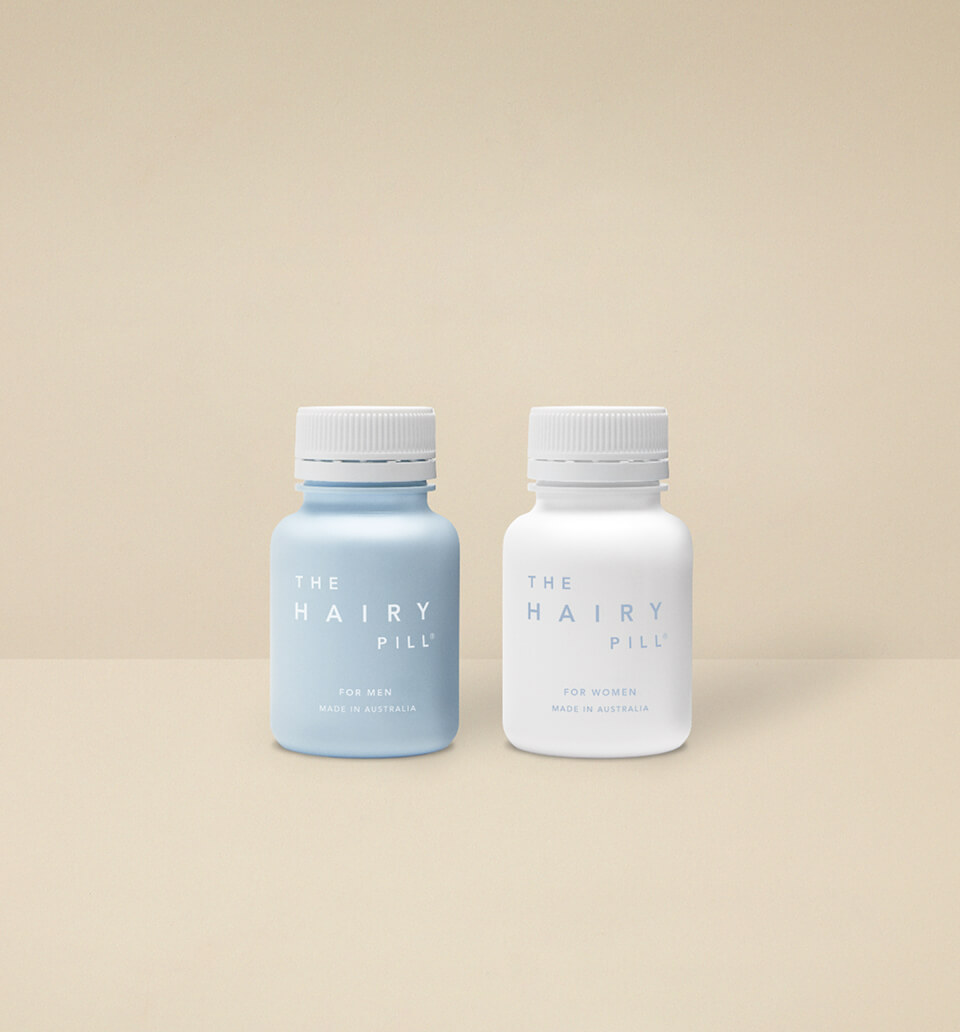
One solution that is a standalone treatment for women is The Hairy Pill®
The Hairy Pill® — A Personalised Hair Loss Treatment for Women
The Hairy Pill® is a specific hair loss treatment for women designed to prevent further hair loss and stimulate new growth.
Using technology invented by world-renowned Dermatologist Professor Rodney Sinclair, The Hairy Pill® is just one pill, taken daily.
Made just for you, this women’s hair loss treatment is designed with ingredients that treat the cause of your hair loss, including hormonal changes such as menopause.
The best part? Accessing this personalised female hair loss solution is simple. Just fill out our online form to get started. It takes less than five minutes.