
Join our newsletter for $25 off your first order.Sign up
Free Express Shipping On All Deliveries
now available. Shop now. Pay later.

Why am I losing so much hair as a female?

As a woman, it can feel unnerving to find big clumps of hair in the shower drain or notice that your ponytail isn’t as thick as it once was.

But you’re not alone. In fact, hair loss in women is a lot more common than you’d expect. The Australian Journal of General Practice reports that 49% of women will experience hair loss at some point in their lives. 

Fortunately, hair loss in women can be manageable, especially if you know what’s behind it. 

So that’s what we’ll explore in this article. We’ll look at the leading causes of female hair loss, telltale symptoms, and effective female hair loss treatments — including personalised options from The Hairy Pill®. 

If you’d like to go straight to finding out what you can do about it, take The Hairy Pill®’s hair assessment quiz today. 

Key Takeaways

  • Losing 50–100 hairs a day is normal, but sudden increases in shedding, patchy hair loss, or noticeable thinning may signal an underlying cause. 
  • Female hair loss has many triggers, from hormonal fluctuations and genetics to stress and poor nutrition. Knowing the trigger is an important part of treating the condition. 
  • Women typically experience diffuse hair thinning across the scalp, rather than the receding hairlines common in men. That can make it easy to miss early warning signs. 
  • Early intervention matters! The sooner you address hair loss, the more hair you may be able to keep on your head. 
  • Female hair loss treatments range from topical solutions to prescription medications. Personalised treatment can be tailored to your specific needs and circumstances. 

Is Hair Loss Normal for Women?

Hair loss is absolutely normal for women. On average, women lose 50–100 hairs every day as part of the natural hair growth cycle, where old hairs fall out to make room for new growth. 

But there’s an important distinction between normal hair shedding and hair loss that might indicate an underlying issue.

Daily shedding occurs gradually and evenly across your scalp. The hair you lose is typically replaced by new growth, so your overall hair density remains stable. 

But if you’re noticing more hair shedding than usual — for example, your ponytail feels thinner, your part is widening, your scalp is more visible, or you’re finding handfuls of hair in the shower — that’s when it becomes abnormal and might be worth looking into. 

According to Cleveland Clinic, hair shedding becomes hair loss in women when you start losing more than 125 hairs per day. 

Certain stages and circumstances in a woman’s life can increase hair shedding. For a start, hormonal fluctuations (think pregnancy, postpartum, or menopause) can disrupt the hair growth cycle and cause increased shedding.

Periods of high stress, illness, rapid weight changes, and distressing life events can also push more hair follicles into the shedding phase prematurely. It’s usually not permanent, but it can be hair-raising. 

Looking for something else?

Common Reasons for Hair Loss in Women 

Female hair loss can stem from a range of medical, lifestyle, and environmental factors. If you understand these reasons for hair loss in women, you’ll be better equipped to figure out what could be contributing to your hair loss and what you can do about it.

Hormonal changes

Hormones play a big role in regulating your hair growth cycle. That’s why even simple fluctuations in hormones like oestrogen, progesterone, testosterone, and thyroid hormones can disrupt the cycle. 

Oestrogen helps hair grow, which is why many pregnant women end up with thicker, fuller hair during a pregnancy-fueled oestrogen surge. When oestrogen levels drop after childbirth, the ‘extra’ hair growth starts shedding all at once, causing post-pregnancy hair loss. 

Oestrogen levels also drop during perimenopause, which may cause menopausal hair loss. A cross-sectional study from Chulalongkorn University in Thailand noted that 52.5% of postmenopausal women experienced female pattern hair loss. 

Meanwhile, conditions like polycystic ovary syndrome (PCOS) elevate androgens (male hormones), which can shrink hair follicles and trigger hair loss. You can learn more about this in our article on testosterone and hair loss. 

Finally, thyroid imbalances (for example, both hypothyroidism and hyperthyroidism) can disrupt the hair growth cycle. The thyroid gland helps regulate many bodily functions, including hair growth, so when thyroid hormone levels are off-balance, hair loss often follows. 

Learn more about hormonal hair loss. 

Genetics and female pattern hair loss

Do you have a mother, grandmother, or another female relative who struggled with thinning hair? If so, you may be genetically predisposed to female pattern hair loss (FPHL). 

A 2019 report from the Multidisciplinary Androgen Excess and PCOS Committee found that 3–12% of white women in their 20s and 30s have FPHL. This number only increases with age, with 14–28% of post-menopausal women reporting FPHL, and 29–56% of women aged 70 and above experiencing it.

Unlike men, who often develop a receding hairline or balding crown, women usually notice diffuse thinning across the crown and a widening part. 

Hair loss in women tends to progress gradually, so spotting it early can give you a better chance of treating it effectively. 

Stress and telogen effluvium

Stress-related hair loss, medically known as telogen effluvium, is one of the most common causes of increased hair shedding in women. 

It can feel sudden and alarming. But it’s usually temporary, with 95% of cases resolving on their own, according to a 2020 literature review. 

Telogen effluvium happens when severe stress pushes a large number of hair follicles — the US National Library of Medicine puts the number at up to 70% of anagen hairs — prematurely into a resting phase. This causes noticeable shedding 2–3 months later. 

The triggering event can be physical (such as surgery, illness, high fever, or rapid weight loss) or emotional (such as job loss, divorce, death of a loved one, or prolonged chronic stress).

Learn more about stress and hair loss. 

Nutrient deficiencies

Your hair follicles are among the most metabolically active parts of your body, requiring a steady supply of essential nutrients to produce strong, healthy hair. 

When your body doesn’t get enough of the key vitamins and minerals it needs, it can impact hair growth. According to an extensive 2018 literature review, deficiencies in iron, vitamin D, vitamin B12, zinc, and protein have all been linked to increased hair shedding in women. 

Think your hair loss is linked to a vitamin deficiency?

It’s important to work with a healthcare professional to find out exactly what nutrients your body is missing out on, since self-diagnosing and treating nutritional deficiencies can sometimes do more harm than good.

Learn more about nutrient deficiencies and hair loss. 

Hair styling and damage

Your hair may be tough but it’s not invincible. Tight ponytails, heat styling, and chemical treatments can cause chronic damage that may lead to traction alopecia or breakage mimicking hair loss.

Traction alopecia is a type of hair loss that happens when hair is repeatedly pulled or stressed by tight hairstyles like ballerina buns, braids, weaves, or hair extensions. Over time, the constant tension can damage hair follicles, leading to hair loss around the hairline and temples. 

Excessive use of heat styling tools and chemical treatments can also weaken hair strands, leading to increased breakage that will make your hair appear thinner. 

How to Know If Your Hair Loss Is a Medical Concern

While some daily hair shedding is normal, certain signs could suggest something else is going on. These signs include:

  • Sudden or dramatic increases in shedding
  • Patches of bald spots
  • A widening part
  • A more visible scalp
  • Scalp irritation, redness, pain, or itching
  • Brittle hair
  • Hair loss elsewhere on the body

If you think you’re losing hair, start tracking your hair loss patterns over time. Take photos in consistent lighting from the same angles and keep notes about when you first noticed increased shedding, any potential triggers, and how your hair loss has progressed. 

You can share these progress reports with your healthcare professional, which will help them assess changes objectively and provide guidance. 

But also remember:

You don’t need to wait until hair loss becomes severe before seeking help. 

Many treatments are more effective when you start early — plus professional guidance can give you peace of mind, even if you don’t end up needing treatment. 

Diagnosing Female Hair Loss: What to Expect

There’s no need to worry about your medical appointment. Hair loss consultations are more common than you think. But it can help ease any anxiety if you know what to expect during the process:

Step 1: Your healthcare provider will ask for a detailed medical history. They may ask you questions about:

  • When you started losing hair
  • Your family history
  • Current medications you’re taking
  • Whether you’ve had a recent illness or stressful event
  • Your menstruation history
  • Your current hair care practices and styling habits

Step 2: The doctor will physically examine your scalp, looking for signs of inflammation, scaling, or other scalp conditions. 

They may perform a ‘hair pull test’, where they gently tug on a section of hair to see how many strands come out. This can help assess the severity of hair loss. 

Step 3: They may recommend a blood test to rule out underlying conditions that could contribute to hair loss, including serious conditions like thyroid disorder, PCOS, or anaemia. They may test for:

  • Thyroid function
  • Iron levels and ferritin (stored iron)
  • Vitamin B12 and vitamin D levels
  • Hormone levels 
  • Markers for autoimmune disorders

Step 4: If there’s no clear diagnosis, your doctor might recommend a scalp biopsy. This involves taking a small sample of scalp tissue to examine under a microscope. 

Hair Loss Treatment Options for Women 

Once you’ve got that diagnosis, it’s time to look at treatment. There are natural things you can do to support hair health, but the options narrow when it comes to hair loss medicine for women. 

Even with medical treatment, a one size fit’s all option won’t be suitable for everyone.

That’s because go-to prescription medications for hair loss — such as anti-androgen treatments like finasteride — which are commonly prescribed for men, are not commonly prescribed for women. 

Minoxidil, typically available as an over-the-counter topical solution, is perhaps the most researched treatment for female pattern hair loss. 

Minoxidil works by boosting blood flow to the scalp. According to the Australian Journal of General Practice, this has been shown to stop hair loss and stimulate regrowth in 60% of women. 

Some women may be prescribed medications like spironolactone, which can help reduce the effects of hormones linked to hair loss, though like minoxidil, it is only suitable under doctor supervision and isn’t recommended when trying to conceive, during pregnancy or breastfeeding.

Nutritional supplements may also help with hair loss, although it’s best to consult a doctor before self-medicating. Research shows that they’re generally only effective if you’re treating an underlying nutritional deficiency. 

So far, we’ve looked at treatments for female hair loss. 

But natural lifestyle changes may also help support your hair growth efforts. This may include:

  • Eating a balanced, nutrient-rich diet
  • Exercising regularly
  • Practising stress management techniques
  • Trying gentle hair care
  • Getting an adequate amount of sleep
  • Reducing the use of heat styling and chemical treatments

Learn more about the best lifestyle changes for healthy hair growth.

If you’re dealing with female pattern hair loss, it’s worth noting that there’s no such thing as a female hair loss cure. But there are treatments designed to manage the symptoms by helping to stop and even reverse hair loss. 

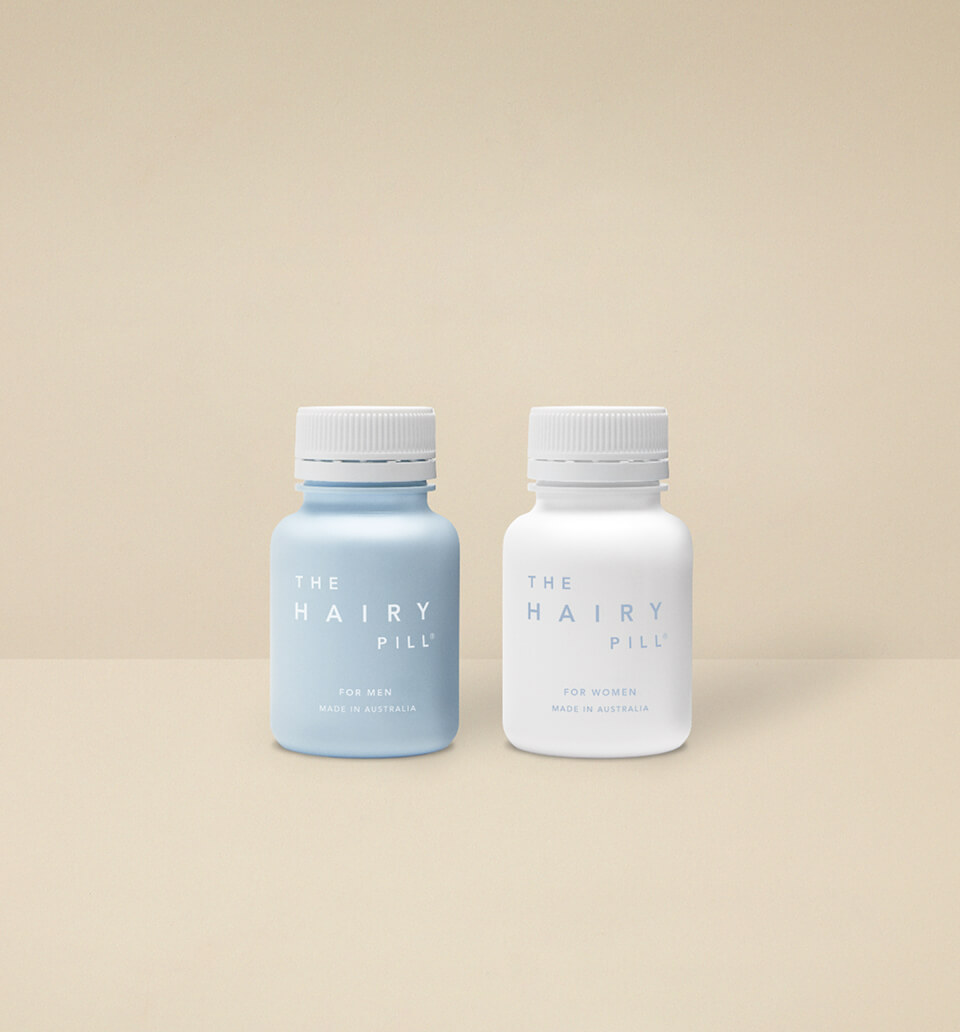
The best approach is a personalised one like that taken by The Hairy Pill®, which combines ongoing doctor consultations with customised formulas designed to address your specific needs and goals. 

What Makes The Hairy Pill® Different?

The Hairy Pill® is designed to be personalised right from the start, with hair loss treatments for women specifically formulated and compounded just for you, using ingredients that have been clinically proven to treat hair loss.  

Using underlying technology invented by world-renowned Australian dermatologist Professor Rodney Sinclair, The Hairy Pill® has more than 650 ingredient and dose combinations. 

This makes it possible to customise treatment based on your specific type of hair loss, medical history, and treatment response. Ongoing medical support also helps doctors monitor results and adjust the treatment as needed. 

How to Take Action and Protect Your Hair Health 

Hair loss can feel scary, so taking proactive steps is a great way to feel like you’re back in control. It also gives your body the best chance to grow healthy hair, since prolonged periods of hair loss can be harder to reverse. 

Don’t forget to pay attention to how much hair you’re losing and whether your part is widening — it can help to take regular pictures to track progress. 

If you’re concerned, don’t hesitate to speak to a doctor or a dermatologist. Or take The Hairy Pill® hair assessment quiz to find out what stage your hair loss is at and what you can do about it.

Want to know more about female hair loss?

When do women start losing their hair?
Can I take the hair loss treatment during pregnancy?
How to stop hair loss in women?
Can you make your hair grow faster?
How much hair loss is normal?