

Dandruff can be a distressing condition for anybody. For some people, it’s up there with hair loss — which makes it especially disconcerting when people start connecting hair loss to dandruff.
It’s an unpleasant thought, the idea that one hairy condition can lead to another, rather less hairy (but no less distressing) condition.
But fortunately, it’s an easy(ish) one to allay.
Does dandruff cause hair loss? The answer is no. At least, not directly.
We already lose 50-100 strands of hair every day through the natural hair growth cycle. You only need to worry if you’re seeing significantly more hair shedding.
Let’s look at the conditions required for dandruff to cause hair loss, other conditions that may be causing your dandruff and hair loss, potential dandruff and hair loss treatments, and more.
Does Dandruff Cause Hair Loss?
If you have dandruff, it doesn’t automatically mean you’ll experience hair loss. The two conditions don’t come hand in hand.
But dry skin and dandruff can cause hair loss — indirectly.
Dry skin and dandruff can cause an itching or burning sensation that may compel you to scratch your scalp.
The constant or rough scratching and pulling can lead to hair fall but rarely will it cause baldness. Bald patches may be a sign that there’s a more serious underlying condition.
Some studies have shown that dandruff may also exacerbate hair fall if you already have androgenetic alopecia (male pattern baldness and female pattern baldness).
The good news is that once you know what’s causing your dandruff and hair loss, you can get the right treatment and start seeing improvements.
Discover if The Hairy Pill® is right for you.
Take our short hair health quiz and we will work out if The Hairy Pill® can help you and your hair.
Take the quizWhat Other Conditions Can Also Cause Both Dandruff And Hair Loss?
Dandruff isn’t always as straightforward as a bit of white dusting on the crown. To start with, it’s not a condition on its own. It’s a symptom.
But what it’s a symptom of is trickier to diagnose. It could be caused by a poor diet, stress, dry skin, or aggravating hair care products.
Any condition that makes your scalp itch or burn and gives you the urge to scratch your scalp or twist your hair can lead to follicle damage and hair loss.
But some conditions create symptoms similar to dandruff, but not dandruff. And they can produce hair loss unrelated to itching or pulling.
In some of these cases, the flakes of skin and hair loss may be a sign of something more serious.
This is why it’s best to consult a doctor if you have any concerns. It’s also why the best treatment is one that treats the underlying condition.
Contact dermatitis
Some hair care products (like shampoo, conditioner, or hair dye) contain ingredients that may irritate your scalp if it’s sensitive to the product. This can cause itching and flaking — and possibly hair loss if you give with excessive scratching.
Malassezia
This is a yeast fungus that feeds on the oil on your scalp. While most people have Malassezia, some people’s scalps are most sensitive to it. The body might respond by producing extra skin cells, which can flake and cause dandruff.
Stress can trigger Malassezia by weakening the immune system and making your body more vulnerable to infections.
Seborrheic dermatitis
Seborrheic dermatitis causes a red, scaly, oily rash, itchy and irritated skin, and white or yellow flakes of skin. It can flare up with stress, fatigue or seasonal changes but the good news is that it doesn’t cause permanent hair loss.
Ringworm
Ringworm is a fungal infection on the skin that can occur anywhere on the body. Tinea capitis is the medical name for ringworm on the
scalp. Symptoms may include an itchy scalp, scaly patches of skin, skin flakes, and hair loss.
Scalp Psoriasis
Scalp psoriasis is a common autoimmune disorder. Doctors believe it’s caused by an overgrowth of cells on the scalp, producing red or purple raised skin, either in patches or over the entire scalp. Balding spots may develop where the patches are.
Scalp psoriasis doesn’t cause dandruff but its symptoms resemble dandruff. Psoriasis can spread to your forehead, back of the neck, and ears.
Folliculitis Decalvans
Folliculitis Decalvans is a rare inflammatory skin condition that causes itchy, red patches and skin flakes. More commonly found in men, it can destroy the hair follicles and may lead to scarring and permanent hair loss if you don’t get early treatment for it.
Lichen Planopilaris (LLP)
This inflammatory skin condition causes a dry and scaly rash on the scalp that may also make your hair fall out in clumps. It’s more common in women.
Symptoms occur almost exclusively on the scalp and include redness, burning, itching, bald patches, and scaly skin. While the symptoms may be similar to those of dandruff, dandruff treatments won’t work on LLP.
LLP may cause scarring, which could in turn lead to permanent hair loss so it’s best to consult a doctor as soon as possible if you suspect you might have it.
Ready to start your hair growth journey?
- Free express shipping
- Unlimited doctor consultations
- Simple once a day treatment
How to Prevent Hair Loss from Dandruff?
Given what we know about dandruff and hair loss, the best way to tackle the problem is to stop the urge to itch and protect your hair follicles. You may need medicated shampoo, scalp oils, or a few lifestyle changes to improve your scalp health.
Use Medicated Shampoo
Medicated shampoos are available to help treat dandruff. For mild dandruff, you may be able to treat the symptoms with a medicated shampoo that contains:
- Salicylic acid
- Ketoconazole
- Pyrithione Zinc
- Coal Tar
- Selenium Sulphide
If you have a mild case of dandruff, it might be enough to use the medicated shampoo for just a few weeks before returning to your regular favourites. Be sure to follow the instructions on the bottle.
Be careful if you have light-coloured hair. Selenium sulphide and coal tar may discolour your hair. It’s always best to consult a doctor before trying anything new.
Avoid Hair Care
With so many hair care products available, we’re often unaware of the irritants we may be exposing our sensitive scalp to.
Some red-flag ingredients include sulphates, preservatives, fragrances, hair dyes, detergents, and bleaches, which may irritate sensitive skin enough to cause contact dermatitis.
And it doesn’t necessarily happen straight away. You might be using the same product for years before you notice any dandruff. Once you do, switch to gentle hair care products made for sensitive skin.
Manage the Stress
Stress doesn’t cause dandruff. But it does deliver a hit to your immune system, which can make your scalp more sensitive to malassezia fungus.
Just google “stress management techniques” and you’ll find plenty of inspiration to reduce stress. Some of our favourites include yoga, meditation, gentle walks, and deep breathing exercises.
Moisturise the Scalp
Sometimes, dandruff is caused by nothing more than a dry scalp. If that’s the case, treating your symptoms with anti-dandruff shampoo may be contributing to the problem. Many medicated shampoos contain salicylic acid, which can dry out your scalp.
Coconut oil has antifungal properties, making it a great moisturiser for the scalp. Just massage a small amount directly into your scalp to improve blood circulation.
Just beware that if your dandruff is caused by an oily scalp or seborrheic dermatitis, using hair oils may worsen the symptoms.
Pills for Hair Loss
Hair loss pills may not be able to help with dandruff but they can help you regrow a thick head of healthy hair.
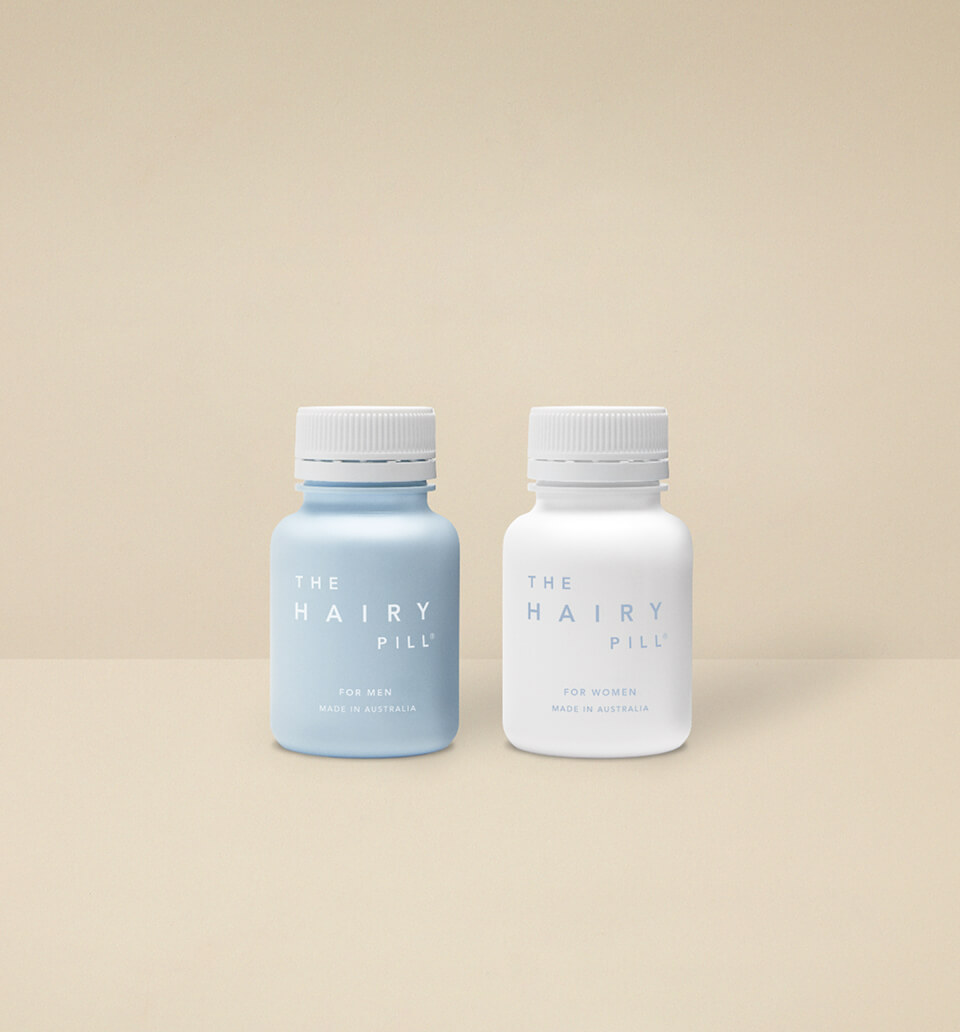
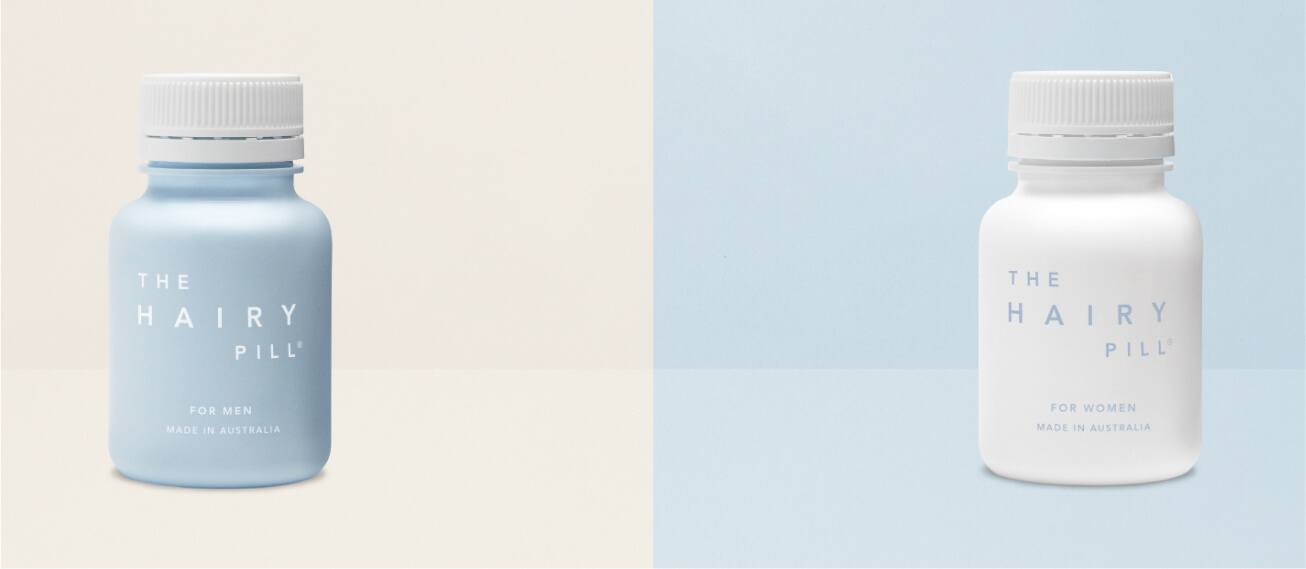
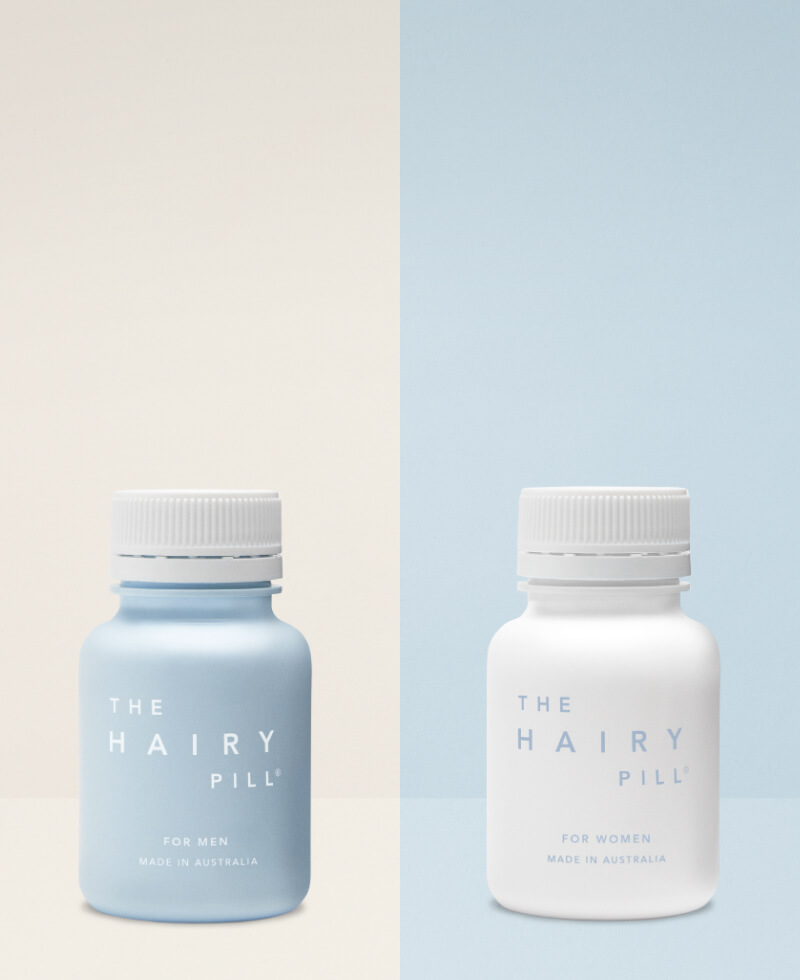
Pills like The Hairy Pill® contain active ingredients that target hair loss at its roots while also promoting hair regrowth. Not bad for one pill, taken daily.
Stop Your Hair Loss Today
Tackle half the problem. Put an end to your hair loss and start growing healthy new locks with The Hairy Pill® — all without leaving the comfort of your couch. It starts by filling in a quick form.
Your answers help our partner doctors and compounding pharmacists make a personalised hair loss treatment that’s customised specifically for your needs. Get started.